
Philip Morris International Inc. (NYSE:PM) closed at $201.19 on October 9. The stock has returned 25.4% during the last 6 months, compared to a 33.9% return for the Insider Monkey Billionaire Index and 18.2% for the State Street SPDR S&P 500 ETF Trust.
The company’s stated plan is to stop selling cigarettes, which is the strangest growth strategy in large-cap equities. Management is being judged on how quickly it can dismantle the product that funds everything else. Very few businesses are asked to destroy their own best margin on a deadline.
READ ALSO: 10 Best Undervalued Stocks to Buy in October
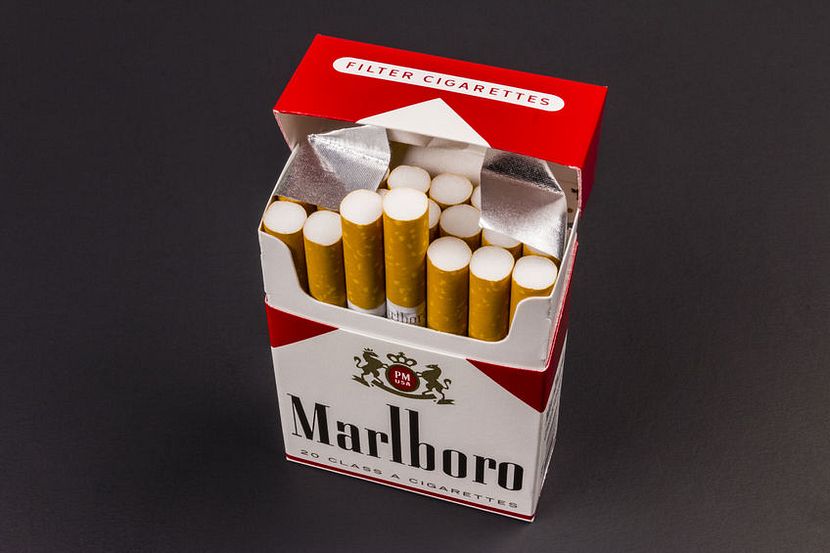
The Moat Is a Rulebook No New Entrant Can Satisfy:
Tobacco advertising is banned across most of the developed world. That sounds like a burden on the incumbent, and it is the opposite. A company that already owns the shelf space and the habit does not need to advertise, while a new brand would have to build recognition with promotion legally barred. The regulation intended to punish the industry now guards its gates.
That is why a 40.00% operating margin survives in a category with falling volumes. The protection is not the cigarette; it is the law written around it, and a barrier written into statute is why a tobacco company still sits among the blue-chip dividend payers hedge funds keep buying. The name they own most of is up 23% since.
Pricing power finishes the argument. Volumes fall, and revenue still grew 10.40% in the most recent quarter, which only happens when a company can raise prices faster than its customers leave.
DON’T MISS: 10 Most Undervalued Quality Stocks to Invest In
The Replacement Costs More to Sell:
The growth is not coming from cigarettes. It is coming from heated tobacco and nicotine pouches, and that distinction is the whole risk.
Those products compete on technology, taste, and price. Habit and shelf space matter far less, which means the moat that protects the old business does not extend cleanly to the new one. Competitors can and do enter here.
The cost shows immediately below the revenue line. Earnings fell 7.30% in the same quarter revenue grew 10.40%.
The balance sheet leaves no slack either. Years of buybacks and dividends funded with borrowing have pushed book value below zero, and the payout now consumes roughly five-sixths of earnings. That is serviceable while the transition works and uncomfortable if it stalls. A premium multiple on a category in decline is also the opposite of what a value buyer looks for, which is why Philip Morris never appears among the quality businesses trading below what they are worth. The one we ranked cheapest there has since lost 13%.
The Valuation Case:
On earnings, the stock trades at 21.91 times forward against 28.91 trailing, on analyst consensus estimates rather than company guidance. The market is therefore paying a premium multiple for a business whose unit volumes decline by design. That is only rational if the smoke-free products carry the old margins into the new category.
The verdict is that Philip Morris looks fully valued rather than cheap. You are not buying a discounted asset here; you are paying up for the most defensible position in a shrinking industry and betting the transition protects it. At roughly three percent, the dividend is adequate rather than generous. However, it lacks the decades-long track record of consistent dividend growth that defines the Dividend Aristocrats we ranked for 2026. The one we put first there is down 5% since.
Conclusion:
A moat is worth less when the product behind it is being retired on purpose. The rulebook that bars any new brand from advertising its way in still delivers an exceptional operating margin, and revenue grew even as volumes fell. However, earnings fell over the same quarter. Pouches and heated tobacco cost more to sell than cigarettes did, and they compete on ground the old moat does not reach. Negative book value and heavy borrowing leave nothing in reserve. If the move to pouches is going to be funded, it comes out of the operating margin.
Market Sentiment:
Philip Morris International Inc. was held by 76 hedge funds with a combined stake value of about $12.66 billion at the end of Q2 2026 in the Insider Monkey database. This is down from 78 hedge fund holders with a cumulative investment value of around $12.50 billion in the previous quarter.
READ NEXT: 10 Most Undervalued Quality Stocks to Invest In and 14 Best Blue Chip Dividend Stocks to Buy According to Hedge Funds
This article is originally published at Insider Monkey.


