In this article, we are going to discuss the 30 drunkest countries in the world.
Alcohol is so commonly discussed in terms of its negative effects that it is often seen as being wholly detrimental. As a result, the personally functional and socially integrative uses of alcohol tend to be overlooked. The vast majority of drinkers around the world are occasional and moderate – normal drinkers who experience no harm from their own consumption of alcoholic beverages.
Thus, relatively small minorities fall into the class of heavy, excessive, or problem-drinkers, including alcoholics. Nevertheless, problem-drinkers invoke so much trouble for themselves, their families, their employers, their occupational or social associates, and their communities and society that ‘alcohol problems’ are major and costly causes of disorder and suffering.
The Global Alcohol Industry:
In 2019, the global alcohol consumption, measured in liters of pure alcohol per person of 15 years of age or older, was 5.5 liters, which is a 4.7% relative decrease from 5.7 liters in 2010. As we mentioned in our article – 25 Largest Alcohol Companies in the World in 2023 – the global alcoholic beverages market size was valued at $1.62 trillion in 2021, and the market is projected to reach $2 trillion by 2031, with a CAGR of 2.2% during the forecast period.
The market is likely to be driven by the increasing global young-adult demographic, coupled with high disposable income and consumer demand for premium/super-premium products. Globally, beer drives the market for alcoholic beverages. Regionally, North America and Asia-Pacific are expected to dominate the market during the forecast period.
The Rise of Alcohol-Free Culture:
The global low and no-alcohol consumer trend is a significant shift in the drinks industry, driven by increasingly health-conscious consumers seeking alternatives to traditional alcoholic beverages. Millennials and Generation Z are the main insurgents, driving a transformation in choice and demanding more from their drinks. These younger generations are adopting a healthier lifestyle and reaping the benefits of going alcohol-free – but they’re not the only ones.
From fitness fans and healthy lifestylers to a renaissance in older living, knowing what you’re putting into your body is now a key priority. As we mentioned in our article – Gen Z’s 25 Favorite Brands in 2023 – these young consumers are also a more health-conscious generation and a growing share of them is outright turning away from alcohol. In 2022, 38% of Gen Z were buying more non-alcoholic beverages than in the previous year.
Several industry players have realized that the no-alcohol trend is here to stay and are coming up with innovative solutions to keep their current consumer base engaged, along with attracting a new generation of drinkers. Owned by Diageo plc (NYSE:DEO), the iconic Captain Morgan rum brand unveiled Captain Morgan Spiced Gold 0.0% in August, an alcohol-free alternative to the famous Original Spiced Gold, offering a deliciously spiced flavor profile.
Following the successful launch of Guinness 0.0%, Tanqueray 0.0%, and Gordons 0.0% over the past few years, Captain Morgan Spiced Gold 0.0% brings further choice to the market as the latest brand, and first dark spirit, to join Diageo plc (NYSE:DEO)’s alcohol-free portfolio. With 22.9 million cases sold worldwide in 2022, Captain Morgan is counted among the Most Popular Spirits in the World.
Warren Buffett initiated a position in Diageo plc (NYSE:DEO) in the first quarter of 2023 with 227,750 shares worth $39.510 million and his position in the company remained unchanged in the second quarter. In Q2, Diageo represented 0.1% of Berkshire Hathaway’s portfolio. The most prominent stakeholder in the company in Q2 was Markel Gayner Asset Management with 1.35 million shares, worth $234.23 million.
Corporate Social Responsibility Initiative:
Anheuser-Busch InBev SA/NV (NYSE:BUD) is the Largest Beer Producer in the World and the company launched its Global Smart Drinking Goals initiative in order to make a tangible contribution to the reduction of harmful use of alcohol globally.
As part of the initiative, Anheuser-Busch InBev SA/NV (NYSE:BUD) has committed to investing at least $1 billion across its markets in dedicated social marketing campaigns and programs to influence social norms and individual behaviors to reduce harmful use of alcohol. Another goal is to ensure that low- or no-alcohol beer products make up at least 20% of the global beer volume of the company by 2025, and it is already investing $34 million in upgrading some of its Belgian breweries, which will help expand its non-alcoholic beer portfolio.
The beer behemoth has been facing some headwinds in the American market after the recent controversy regarding its best-selling brand Bud Light, which resulted in the iconic brand losing its crown as the Top-Selling Beer in America after nearly two decades.
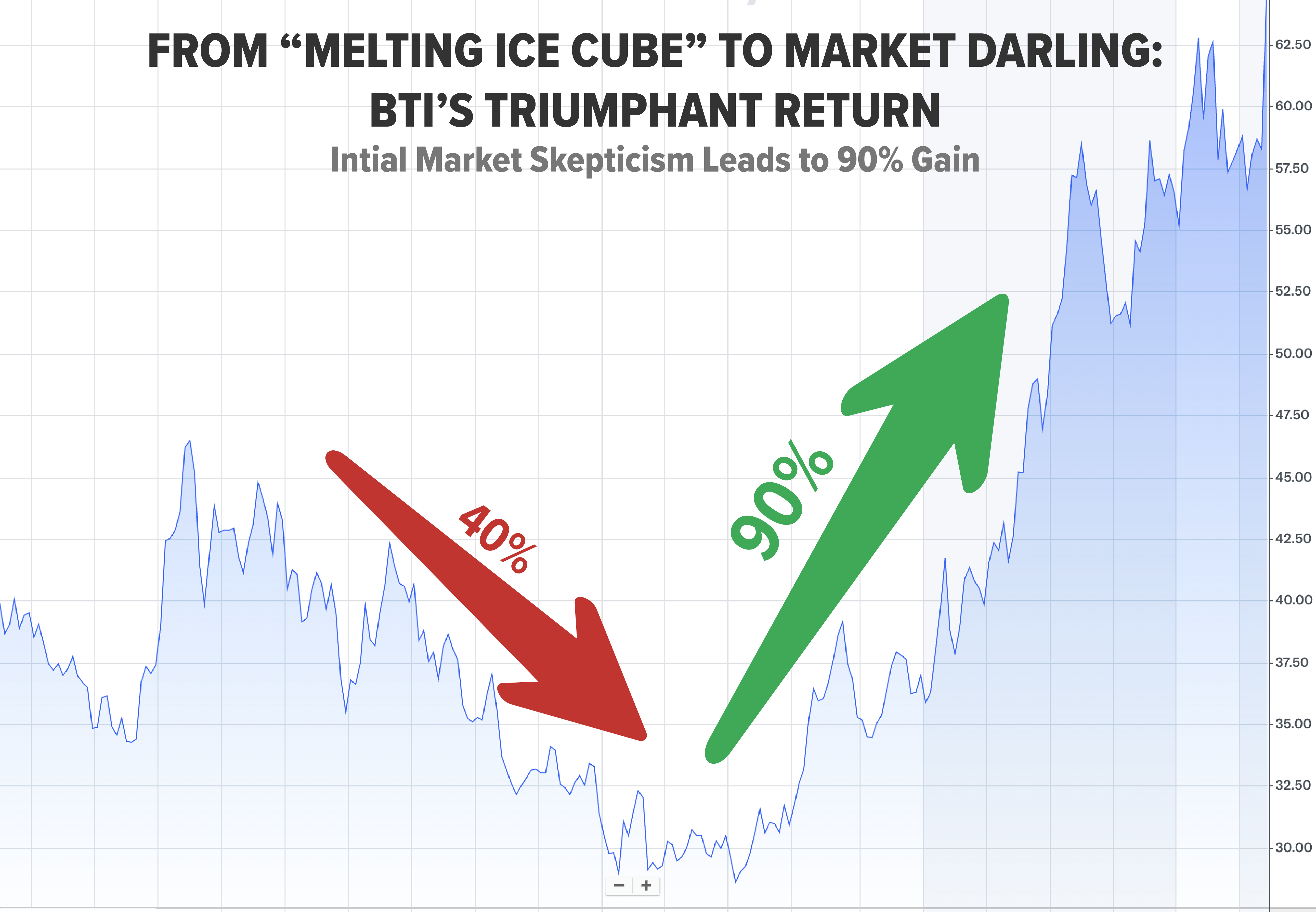
As we mentioned in our article – Top 20 Wine Producing Countries in the World – Anheuser-Busch InBev SA/NV (NYSE:BUD) shares haven’t gone anywhere in recent years, and it lost around 40% of its value over the last 5 years. It is a highly leveraged company and the rising interest rates aren’t helping the stock either. Nevertheless, billionaire Bill Gates’ portfolio managers decided to initiate a $96 million position in the firm during the second quarter.
With that said, here are the Countries that Drink the Most Alcohol.

Photo by Adam Wilson on Unsplash
Methodology:
To collect information for this article, we have referred to The Global Health Observatory of the World Health Organization, looking for Countries that Consume the Most Alcohol. The following countries have been ranked by their per capita consumption of pure alcohol for people aged 15 and over in 2019.
One thing to keep in mind is that just because the people in these countries generally consume higher levels of alcohol, it doesn’t necessarily mean that they’re drunkards. Alcohol is simply an essential part of many cultures around the world and alcoholic beverages play a significant role in important events and celebrations, since they can be associated with many festivals and rituals.
If you’re also interested to read about which cities consume the most alcohol in the U.S., here are the Drunkest Cities in America in 2023.
30. Montenegro
Alcohol Consumption per Capita: 10.34 liters
Young people in Montenegro live in an environment where alcohol is a part of everyday life – of cultural, religious, and social customs. Aside from the wine that the Balkan country is famous for, Rakija is also a popular traditional drink in Montenegro.
29. Tanzania
Alcohol Consumption per Capita: 10.36 liters
Alcohol use is a significant problem among young people in northern Tanzania. Factors that contribute to alcohol abuse include the abundance of home brewers, lifestyles that are dominated by social pressures, and traditional expectations such as the excessive consumption of alcohol at weddings, funerals, and other distinct occasions.
Tanzania ranks among the African Countries with the Most Alcohol Consumption.
28. Switzerland
Alcohol Consumption per Capita: 10.4 liters
Drinking alcohol is common in Switzerland, especially in social contexts and as a way to unwind over the weekend. It is estimated that beer, as well as wine, make up around 80% of alcohol consumption in Switzerland. The majority of Swiss wines are consumed domestically and only a small percentage is exported.
27. Russia
Alcohol Consumption per Capita: 10.42 liters
It shouldn’t come as a surprise that Russia ranks among the list of Drunkest Countries, considering that drinking is a pervasive, socially acceptable behavior in Russian society and a major source of revenue for the government.
Since 2011, Russia has taken an active role in implementing the recommendations of the EAPA to reduce the harmful use of alcohol by further increasing excise taxes, raising the minimum unit price of alcohol, and substantially reducing the availability of retail alcohol.
Russia also ranks among the Top Countries for Vodka Consumption.
26. Portugal
Alcohol Consumption per Capita: 10.45 liters
In the E.U., drinking every day is most frequent in Portugal, with about 20.7% of the population consuming alcohol daily. The Portuguese government decided to raise alcohol taxes by 4% last year, however, the country’s all-important wine industry was given a tax break.
With an average wine consumption of 6.04 liters per capita, Portugal sits among the Top Wine Drinking Countries in the World.
25. Slovakia
Alcohol Consumption per Capita: 10.48 liters
Drinking is very much a part of Slovak culture and some form of alcohol is usually present at any social occasion. The standard shot glass size in the Central European country is 50 ml, while it is usually around 44 ml around the world. Slovakia ranks among the Drunkest Countries per Capita.
24. Cook Islands
Alcohol Consumption per Capita: 10.56 liters
The Cook Islands are not only notable for their mesmerizing beaches, but also for their high alcohol consumption. Cook Islanders are fond of spirits, particularly rum, which accounts for more than half of the overall alcohol consumption. Moreover, the heavy influx of tourists also leads to the high levels of alcohol consumed in the beautiful island country.
23. Hungary
Alcohol Consumption per Capita: 10.6 liters
Hungary is among the Countries with the Highest Rates of Alcoholism in the World. Along with pálinka – a high-alcohol fruit brandy – vodka is also a popular spirit in the Central European country. According to Eurostat, Hungary has the cheapest prices of alcohol for any country in the European Union.
22. United Kingdom
Alcohol Consumption per Capita: 10.82 liters
Compared to other European countries, the U.K. is near the average in terms of overall alcohol consumption. However, it is consistently among the highest for binge drinking. This reflects the fact that, on average, drinking in the United Kingdom tends to involve more drunkenness than elsewhere.
21. Belarus
Alcohol Consumption per Capita: 10.9 liters
Despite the large number of government policy initiatives that authorities claimed were controlling the problem, alcohol consumption in Belarus grew rapidly up to 2010, when it reached the highest level in the world. The Eastern European country increased the excise tax on alcohol last year to curb its high alcohol use.
20. Spain
Alcohol Consumption per Capita: 10.91 liters
Alcohol has always been an important part of Spanish culture and Spanish wine and sangria are especially admired all over the world. Beer is the Spaniards’ favorite tipple though, consumed by over 50% of the population.
Spain is counted among the Top Beer Producing Countries in the World.
19. Slovenia
Alcohol Consumption per Capita: 10.98 liters
While Slovenians love beer and wine, there’s really only one national drink – Schnapps. Called Zganje in the local language, making this liquor is also a national pastime, and although you can find factory-made bottles of Schnapps in liquor stores and supermarkets, it’s the locally made Zganje brewed in someone’s garage that’s usually the best.
Slovenia is counted among the Top 20 Alcohol Drinking Countries.
18. Andorra
Alcohol Consumption per Capita: 11.05 liters
Andorra has one of the lowest tax rates on food and alcohol. The tax on food is just 1%, while the alcohol tax is 4.5%. In neighboring Spain, most taxes start from 20%, and that’s why many people come from France and Spain to Andorra just to stock their fridges by buying fish, meat, groceries, and alcohol.
17. Estonia
Alcohol Consumption per Capita: 11.26 liters
Prices of goods and services increased rapidly in Estonia last year while the rise in alcohol prices was significantly less. The prices of beer and grape wine rose slightly but the price of hard alcohol remained at the 2021 level or cheaper. The incomes of the Estonian people continued to grow in 2022 and so alcohol became even more accessible.
16. France
Alcohol Consumption per Capita: 11.3 liters
Recognized all over the world for its savoir-faire regarding food and drink, France has a long history of alcohol production and consumption. Wine is deeply embedded in the French culture and identity of the people. There are vineyards scattered throughout the country, responsible for producing 7-8 billion bottles of wine a year.
15. Moldova
Alcohol Consumption per Capita: 11.36 liters
The wine culture is very strong in the Republic of Moldova and the wine industry employs almost 10% of the national workforce, with the income generated from viticulture forming 15% of the annual national budget. Up to 70% of alcohol consumed in the country is homemade wine.
Moldova ranks among Countries that Drink the Most in Europe.
14. Laos
Alcohol Consumption per Capita: 11.52 liters
Laos has many ethnic groups and each has its own traditions and culture, but alcohol plays an important role throughout Lao society. There is a rule in the Southeast Asian country, especially in the villages of different ethnic groups, that you cannot drink less. While women may retire after drinking a few shots and enjoy the party with food, for men, it is not acceptable. You have to drink as much as you can, and sometimes, even more than you can.
13. Luxembourg
Alcohol Consumption per Capita: 11.53 liters
Since alcohol is relatively cheaper in Luxembourg, a large number of Belgians travel regularly to their neighboring country to buy their favorite tipples. The country is also famous for its high quality wine, about two-thirds of which is consumed domestically.
12. Poland
Alcohol Consumption per Capita: 11.63 liters
Vodka is deeply embedded in Polish culture, so much so that there is even a growing debate between Russian and Polish people as to who invented the popular spirit. Poland is the largest market for vodka in the E.U., representing over 35% sales in the region. With over 20% of the vodka market share in the country, the Żubrówka brand remains the market leader.
Poland is among the Countries that Drink the Most Alcohol in 2023.
11. Ireland
Alcohol Consumption per Capita: 11.7 liters
Ireland is a nation with a love for alcohol and the Irish prefer to spend their time in pubs rather than casual cafes and restaurants. The country produces some of the finest stouts or whiskeys than anywhere else in the world. In fact, the Emerald Isle is home to Guinness – one of the Most Consumed Beer Brands in the World.
10. Lithuania
Alcohol Consumption per Capita: 11.79 liters
Lithuanians mostly prefer to drink beer, which makes 44% of the total consumed alcohol in the country, while wine accounts for 15%. In order to discourage people from consuming alcohol, the Lithuanian government has enacted a number of legal and administrative changes over the last decade. For example, in 2014 it became illegal to consume alcohol in public places, like streets and parks.
9. Bulgaria
Alcohol Consumption per Capita: 11.92 liters
Bulgaria has one of the highest levels of alcohol consumption, roughly equivalent to 2.6 bottles of wine or 4.9 liters of beer per week per person aged 15 or older. Based on the current consumption patterns in the country, OECD simulations estimate that diseases and injuries caused by drinking lead to treatment costs equivalent to 1.8% of the national health expenditure.
8. Austria
Alcohol Consumption per Capita: 11.97 liters
Austria has not only developed a culture for food, but also a drinking culture that is second to none. Although each region has its own preference, beer and wine are the most popular alcoholic drinks in the country.
Unlike in some European countries, purchasing alcohol in Austria is regulated at a regional level. Essentially, there are two different age requirements – either 16 or 18 years – and these depend on the region and the percentage of alcohol content.
Austria sits among the Top 10 Countries that Drink the Most Alcohol.
7. Seychelles
Alcohol Consumption per Capita: 11.99 liters
Alcohol has an important social role in Seychelles and also plays a significant part in the country’s economy, generating substantial employment and tax revenue. The East African island nation also welcomes a large number of tourists every year, which contributes to the high alcohol use.
6. Uganda
Alcohol Consumption per Capita: 12.21 liters
With a per capita consumption of 12.21 liters of pure alcohol, Uganda is the Drunkest Country in Africa. Excessive consumption of alcohol has been identified as one of the major causes of poverty in the East African country, as it leads to declined productivity, increased expenditure and loss of assets, impaired judgment, and vulnerability to disease, thereby being a driver and maintainer of chronic poverty.
5. Germany
Alcohol Consumption per Capita: 12.22 liters
German history and culture is synonymous with beer, even though beer wasn’t technically invented in the country. In fact, beer has always been such an important part of the local culture that in 1516, the Bavaria Duke Wilhelm IV issued the ‘Reinheitsgebot’, a beer purity law that stipulates that only water, barley, and hops were allowed to be used as key ingredients for beer. The country exported $1.38 billion of the alcoholic beverage in 2021, putting it among the Top Beer Exporting Countries in the World.
According to a 2017 study, 12% of the individuals in Germany were daily drinkers, 76.5% were occasional drinkers, and 11.5% of the individuals never drank alcohol.
4. Latvia
Alcohol Consumption per Capita: 13.09 liters
Latvia has one of the highest levels of alcohol consumption by any country in 2023. Over the last decade or so, alcohol consumption in the country has gradually increased from 9.8 liters per capita in 2010 and reached its peak in 2018 with 13.2 liters. Since grains grow better than grapes in the cold climate of the Baltic country, vodka is a popular drink in Latvia.
3. Czech Republic
Alcohol Consumption per Capita: 13.29 liters
The Czech most popular drink is of course beer. Czech people are proud of their beer because after all, their country gave birth to the iconic Pilsner popular all around the globe.
Czech households spent a record high sum on alcohol in 2019 – around $4 billion – according to the European statistical office, Eurostat.
2. Georgia
Alcohol Consumption per Capita: 14.33 liters
The wine-drinking culture sets Georgia apart from other post-Soviet countries, where people prefer to drink spirits. Wine is associated with cultural and religious traditions in the Caucasian country, while beer is secondary and holds no ritualistic connotations. In fact, Georgians only toast with wine or vodka, and beer is used to toast only if you wish someone bad luck.
Wine is one of the top export commodities for Georgia, accounting for 21% of the country’s total agricultural export value in 2021.
1. Romania
Alcohol Consumption per Capita: 16.99 liters
Men in Romania are the heaviest drinkers in the world, with a per capita consumption of 27.3 liters of pure alcohol in 2019, or an average of 8.2 drinks per day. The most consumed alcoholic beverage in the Eastern European nation is beer, preferred by one third of the consumers. However, the market for spirited drinks has exploded and reached around $800 million in the country.
Romania is not only the Drunkest Country in Europe but also the Country that Drinks the Most Alcohol in the World.
Insider Monkey focuses on uncovering the best investment ideas of hedge funds and insiders. Please subscribe to our free daily newsletter to get the latest investment ideas from hedge funds’ investor letters by entering your email address below. You can also take a peek at 20 Countries that Produce the Most Motor Vehicles in 2023 and 20 Countries with the Cheapest Gas Prices.
Suggested Articles:
- 20 States that Drink the Least Alcohol per Capita
- 20 Most Consumed Alcohols in the World
- 20 Countries with Most Alcohol Deaths
Disclosure: None. 30 Drunkest Countries in the World is originally published on Insider Monkey.