Alphabet Inc. (NASDAQ:GOOGL) and Meta Platforms, Inc. (NASDAQ:META) are both using AI to make advertising more valuable while spending tens of billions of dollars on the models and infrastructure underneath it. Their valuations now make the portfolio choice unusually close. Alphabet trades at roughly 25 times forward earnings, while Meta is near 23 times.
The economic question is no longer whether AI helps advertising, but which company converts the spending into durable earnings more efficiently. We recently examined whether Alphabet’s reprieve from an ad-tech breakup protects the cash machine funding its AI war chest. The answer matters because Meta is now the cheaper stock despite faster advertising growth.
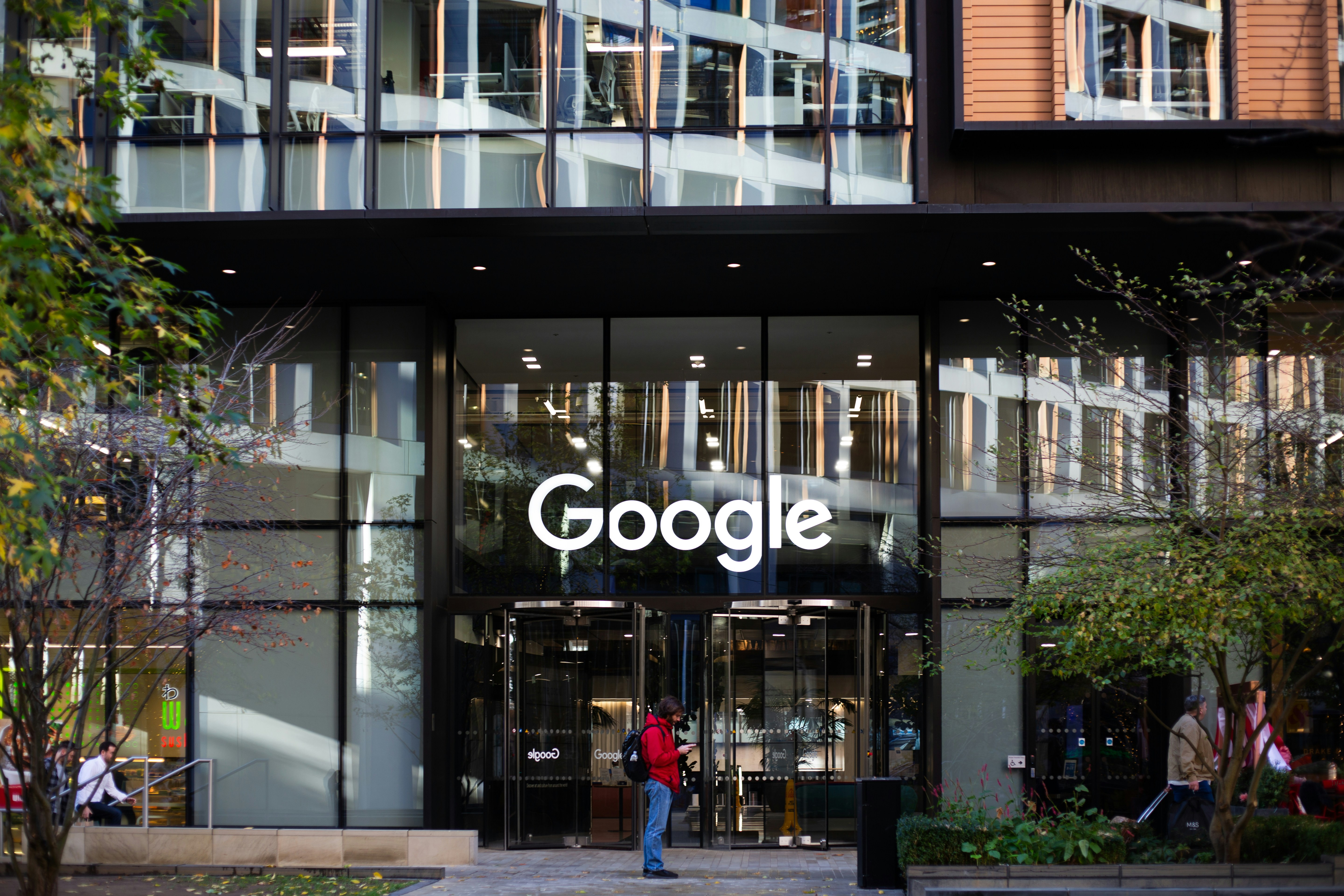
Alphabet has the stronger second profit engine
Alphabet Inc. reported second-quarter revenue of $119.8 billion, up 24%. Google Search & other revenue rose 17%, but Google Cloud was the standout: revenue jumped 82% to $24.8 billion, while cloud backlog reached $514 billion.
That gives Alphabet several AI monetization channels. Gemini can strengthen Search and Workspace, TPUs can be sold or rented through Cloud, and advertising can finance the infrastructure. The bear case remains disruption: general AI assistants can attack the traditional Search interface, while regulation continues to target Google’s distribution advantages.
Meta offers faster ad growth at a slightly lower multiple
Meta Platforms, Inc. grew second-quarter revenue 28% to $60.8 billion, powered primarily by advertising. AI already improves recommendations, engagement and ad targeting across Facebook and Instagram. Muse adds a more speculative layer through subscriptions, commerce and agentic services.
The bill is becoming visible. Operating margin fell to 31% from 43% as total expenses jumped 55%, although that increase also included $2.4 billion of legal charges and $1.18 billion of severance expenses. Meta must generate enough incremental advertising and AI revenue to offset much higher depreciation, talent and compute costs. Alphabet’s Cloud business gives it more diversification if advertising growth slows.
Hedge-fund ownership moved in opposite directions during Q2. Insider Monkey tracked 275 funds holding Alphabet, up from 265 in Q1. Meta ownership slipped to 254 funds from 262. Fisher Asset Management increased its Alphabet position 3%, while Newlands Management retained 9.7 million Meta shares after trimming its stake 2%.
Meta offers the stronger risk-adjusted setup today. It combines faster core advertising growth with a slightly lower forward multiple, so the market is no longer charging investors extra for that growth. Alphabet remains the more diversified business and could win if Cloud economics compound faster than expected. Meta’s edge depends on controlling the spending surge; if margins keep compressing, Alphabet’s broader profit engine becomes the safer choice.
 Hedge Fund Resource Center